
The currently 24 members of EPTA give advice to their parliaments on topical issues such as nanotechnology, brain research, mobility pricing, or future energy systems. Their projects use various methods and draw on insights from citizen panels, stakeholders, workshops as well as the foremost experts in the relevant fields.
On this website you get an overview of what technology assessment (TA) is and how we work. Explore our project database and find current policy advice on technology issues in reports and policy briefs!
You can also visit us on Facebook and subscribe to our news feed
Let us know your opinions, questions, hopes, and fears when it comes to new technologies!
Latest EPTA News
Conference 2026 in Athens
The topic of the annual EPTA conference on 2-3 November is urban mobility.

Directors' Meeting in Thessaloniki 2026
EPTA directors met in Thessaloniki
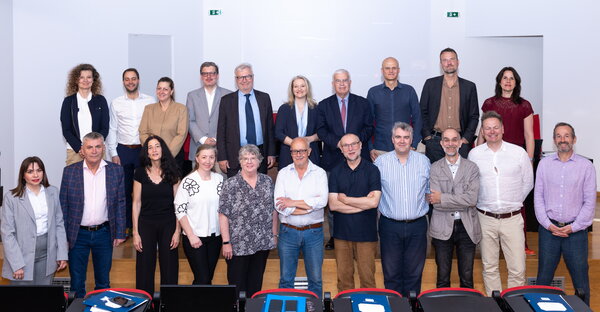
Photo: © GPCRT
New Projects from EPTA members
- The potential and risks of using AI agents (DE)
- Die Zukunft der Datenmanagement-Infrastruktur der österreichischen Verwaltung (AT)
- The spread of antibiotic resistance and new options for combating it (DE)
- Does convenience serve people? (NL)
- Interoperability and digital autonomy (NL)
- AI use in the cultural and media industries: social, economic and legal aspects (DE)
- Piloting European Green Air Mobility and Services for Urban Societal Readiness (PT)
Recent Policy Briefs from EPTA members
- KIxBio: Risks posed by research to security and bioweapons proliferation (DE)
- How could quantum computers undermine digital security? (GB)
- Cybersecurity in the research process (DE)
- Supply chains for low carbon electricity infrastructure (GB)
- CO₂ transportation infrastructure and markets (EU)
- Who decides how land is used? Collaboration in multifunctional land-use decisions (GB)
- FemTech: Consumer technology to support women's health (GB)